Why Customers Get Frustrated on Support Calls and How IVR Call Software Helps
Phones don’t make customers angry. Bad moments do.
Think about the last time a caller waited three minutes just to hear, “All our agents are busy,” again. Or pressed the same option twice because the system didn’t seem to listen. By the time they reach a human, they’re already annoyed—and the agent hasn’t even said hello yet. That frustration doesn’t come from impatience alone. It comes from feeling stuck, unheard, and shuffled around.
Support leaders see this pattern every day. Call volumes spike, queues stretch, agents rush, and small cracks turn into loud complaints. The good news is that a lot of this pain is predictable. Even better, much of it is avoidable.
Where frustration really starts on support calls
Most callers don’t wake up wanting to talk to support. They’re already dealing with a problem—billing confusion, a failed transaction, an order that didn’t arrive. When the call experience adds friction, emotions escalate fast.
Here’s what usually triggers it:
- Long waits with no context
Silence feels longer than it is. When callers don’t know how long they’ll wait or what’s happening, irritation builds. - Getting bounced between agents
Repeating the same issue three times drains patience. It also signals that the company isn’t connected internally. - Wrong routing
A sales query landing with tech support. A refund question reaching onboarding. Each transfer feels like a reset. - Limited self-service
Many issues are simple. Callers know it. When they’re forced to wait for something that could’ve been handled quickly, frustration feels justified.
None of this is new. What’s changed is customer tolerance. Expectations are shaped by instant apps and clear digital flows. Phone support is still trusted—but only when it respects the caller’s time.
How IVR calling software changes the tone of support calls
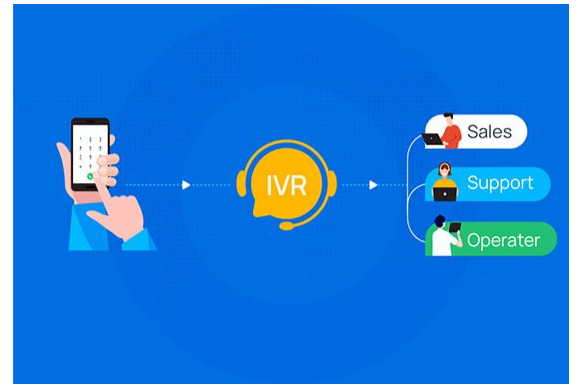
This is where IVR calling software earns its place, not as a flashy layer, but as a quiet traffic controller that keeps things moving.
A well-thought-out IVR doesn’t trap callers in menus. It listens, routes, and sets expectations early.
Picture a mid-sized SaaS company handling 3,000 support calls a day. Before IVR improvements, nearly 40% of those calls landed with the wrong team. Average handle time climbed. Agents sounded rushed. CSAT dipped.
After reworking their IVR flow, a few things changed quickly:
- Callers chose intent-based options instead of generic “press 1, press 2”
- Repeat callers were identified and routed faster
- Simple requests—like password resets—were handled without an agent
The result wasn’t magic. It was calmer. Agents started conversations with context. Callers reached the right person sooner. Tension dropped before it had a chance to rise.
That’s the real value here. IVR doesn’t replace human support. It protects it.
Cloud telephony software and the flexibility teams need
Traditional phone systems struggle when volumes fluctuate. Cloud telephony software gives teams breathing room.
During peak hours, calls can be queued smarter. After hours, IVR can collect details or route emergencies correctly. For growing startups or distributed support teams, this flexibility matters.
One fintech startup I worked with used cloud telephony software to link their IVR with CRM data. When a high-value customer called, the system recognized the number and routed them to senior support automatically. No special queue. No manual checks. Just a smoother experience.
From the caller’s side, it felt personal. From the team’s side, it reduced chaos.
Small IVR decisions that make a big difference
IVR success often comes down to details most teams overlook:
- Short menus
Fewer options beat clever wording. If callers hesitate, the menu is too long. - Plain language
“Billing issue” works better than “account-related financial inquiries.” People don’t think in internal terms. - Escape routes
Always offer a clear path to an agent. Knowing it’s there lowers stress, even if they don’t use it. - Feedback loops
IVR data shows where callers drop off or repeat options. Those signals tell you what’s broken.
These tweaks don’t require a full system overhaul. They require paying attention to how real people behave on the line.
What support leaders can act on this quarter
If call frustration is showing up in reviews or QA scores, start here:
- Listen to recorded calls from the first 30 seconds only
- Map top three call reasons and match IVR options to them
- Check how often callers press “0” or say “agent” early
- Test the IVR flow with someone outside your team
Each step reveals friction you can fix quickly.
Support calls don’t need to feel like obstacles. When IVR calling software is set up with intent and paired with cloud telephony software that adapts as teams grow, calls feel shorter, calmer, and more purposeful—for everyone involved.
Most customers aren’t asking for perfection. They just want to get where they need to go without feeling lost along the way.